Owners in Walnut looking for a cure for a damp chimney usually come across two offers: crown repair and waterproofing. They sound interchangeable. They are not. One deals with the slab on top of the chimney; the other treats the brick sides so they drink in less rain. Buying the wrong one is a common way to spend money and keep the stain. This post compares them the way a buyer should: what each fixes, what each cannot fix, and how we decide which one a house needs.
Lid and walls
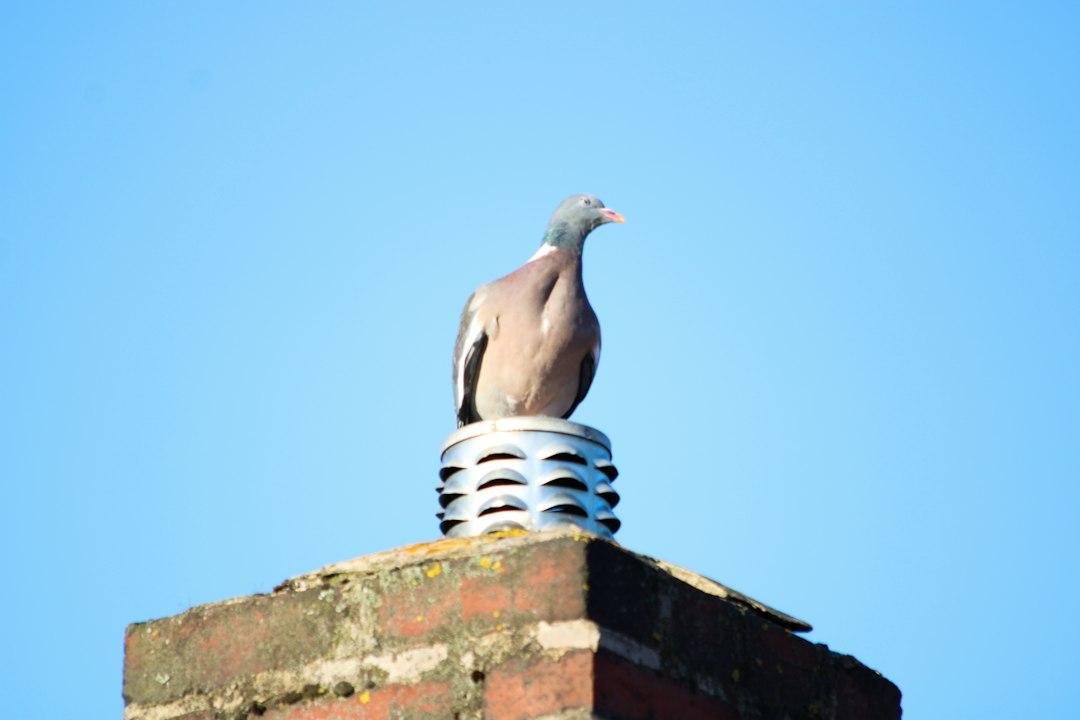
Picture a brick chimney as a tall box. The lid is the crown, a slab of concrete or mortar across the top with the flue tile rising through it. The walls are the four brick faces. Rain hits both, but it gets in differently.
Through the lid, water enters at cracks and at the joint where the slab meets the flue tile. It drops into the core of the chimney and soaks downward inside. Through the walls, water enters because brick and mortar absorb it, slowly, over a long wet spell. Crown repair addresses the lid. Waterproofing addresses the walls. Neither one touches the other.
Signs that point at the crown
- Water marks that appear soon after a storm starts, not days later.
- Damp near the top of the chimney breast indoors, or on attic framing just under the roof.
- White salt bloom low on the brick, from water that came down inside the core and is working its way out.
- Cracks across the top that you can spot from a second-story window or a neighbor's yard.
- A slab so thin that brick edges show through it, or one so flat that rain sits in puddles.
Signs that point at the brick faces
- Dark, blotchy brick that stays wet for days while the rest of the house dries.
- Brick faces that flake or pop off in thin layers.
- A musty smell around the fireplace during long wet weeks rather than after single storms.
- Sprinkler heads that wet one side of the chimney every morning. In Walnut yards this is common and easy to miss.
What each repair involves
Crown work comes in two sizes. A crown with fine surface cracks and a solid body gets cleaned, and a crown sealant made to stretch with heat and cold is brushed over it. A crown that is broken through, crumbling at the edges or too thin to hold anything is removed and recast. The new slab is thicker, pitched so water runs outward, overhangs the brick by a little so drips land away from the face, and leaves a small gap at the flue tile so heat movement does not split it again.
Waterproofing is a repellent sprayed onto the brick faces. The product we use repels liquid water at the surface but still lets the brick breathe and dry. It only works on brick that is already sound. If the joints are open or the faces are flaking, those repairs come first; repellent over damaged masonry seals moisture inside and speeds up the flaking.
What decides the price
Neither job has a published price on our list, because both scale with the chimney. The things that move the figure:
- Crown size and flue count. A wide slab with three flues means more material and more forming than a single-flue crown.
- How much of the old crown has to come off.
- Brick area for waterproofing: the height of the stack and how many faces are exposed.
- Prep work: joints to repoint or loose brick to reset before any repellent goes on.
- Roof access and pitch.
Where tracing the leak is part of the job, the range on our list is $590 to $3,550. A Level 1 inspection at $58 is often enough to tell which repair a chimney needs.
Get a written crown or waterproofing figure, and say whether the damp shows up during storms or hangs around for days afterward.
Why the cheaper offer can cost more
A repellent spray is usually the smaller bill, so it is often the one people try first. On a chimney with a cracked crown it changes nothing, because the water was never coming through the faces. The stain returns with the next storm and the money is gone. The reverse happens too: an owner pays to recast a crown that only had hairline cracks, while the real culprit is a sprinkler head soaking the north face every morning. Matching the repair to the route the water takes is what keeps the spend down, which is why we look before we price.
When a house needs both
Plenty of Walnut chimneys need both. A cracked crown on a stack whose brick also soaks up sprinkler water will leak from the top and the sides. Order matters: crown and masonry repairs first, then the repellent once the brick has dried out. The other way round wastes the repellent.
When it is neither
Sometimes the trail runs past both, to the metal at the roofline or to an open flue with no cap. A new crown and a repellent coat will not stop water that comes in at the roof joint. That is why we look at the whole chimney before recommending either. Our posts on roofline flashing costs and cap prices cover those cases.
How we write it up
The written result lists what we saw on the crown and on each face, with photos, and recommends crown work, waterproofing, both or neither. Each recommended item has its own price line. You choose what to approve. The service pages for crown repair, waterproofing and masonry repair describe each job in more detail.
Pick the right fix the first time
If your chimney in Walnut, Diamond Bar or nearby stays damp after rain, use our contact page to set up a visit, and the written result will tell you which repair the chimney actually needs.
Found a Stain That Matches This Article?
Parrish Chimney Sweep works out of Walnut and follows water from the room where it shows up to the crown, cap and flashing. You get the cause named and a written price before any repair starts.